Shifting Dynamics of Encryption Protocols Safeguarding Progressive Prize Pools Across French Mobile Casino Interfaces
Petra Klein · Oct 27, 2026
Shifting Dynamics of Encryption Protocols Safeguarding Progressive Prize Pools Across French Mobile Casino Interfaces
Encryption protocols have undergone measurable changes in French mobile casino environments where progressive prize pools require continuous protection of transaction data and jackpot accumulation records, and operators have adjusted their systems to meet updated technical standards set by national regulators while maintaining compatibility with portable device architectures. These adjustments involve shifts from legacy TLS versions toward configurations that incorporate stronger key exchange mechanisms and authenticated encryption modes, and data shows that such transitions align with broader European directives on digital security in gaming sectors.
Core Components of Progressive Prize Pool Protection
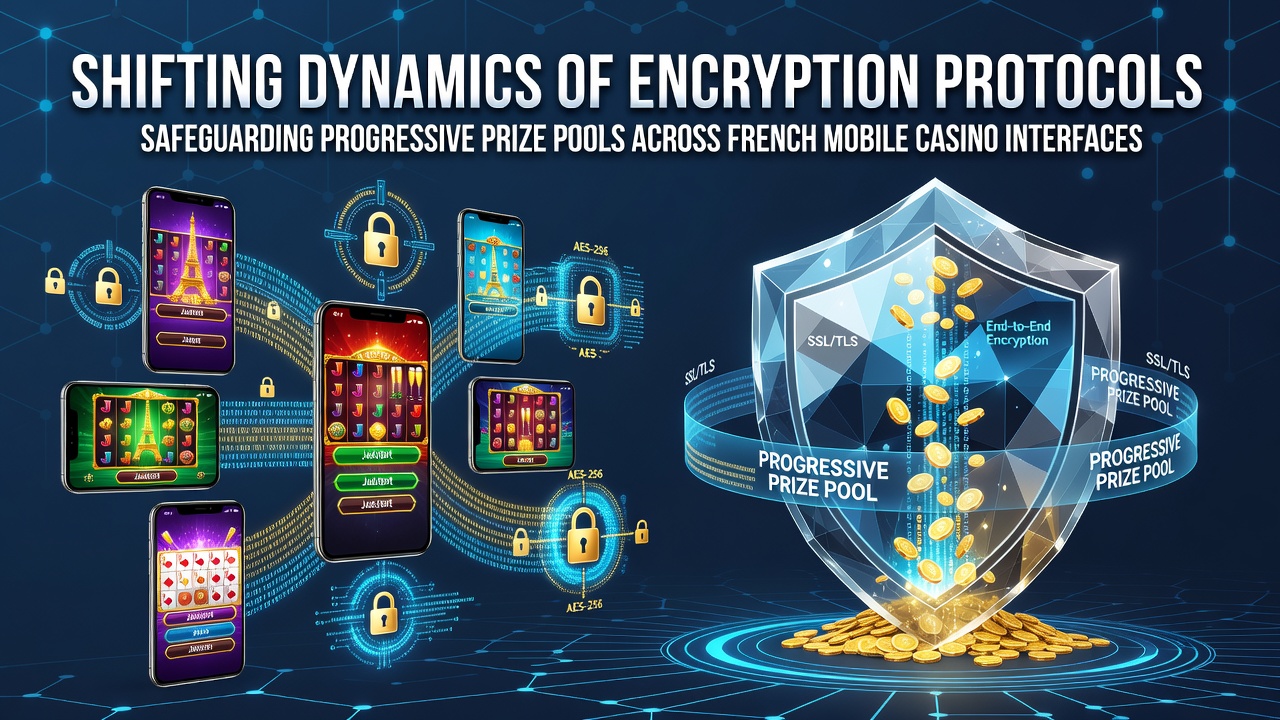
Progressive prize pools in mobile casino applications aggregate contributions from multiple player sessions across distributed servers, and encryption ensures that each increment remains verifiable without exposure during transmission or storage phases, while researchers have documented the use of AES-256 standards combined with elliptic curve cryptography for session keys in French regulated platforms. Observers note that these pools depend on synchronized ledgers that update in real time, and any breach in encryption could compromise the integrity of shared winnings that often exceed several million euros in documented cases from 2025 operations.
French statutes mandate that mobile interfaces handling such pools employ end-to-end encryption for all communications between user devices and central gaming servers, and this requirement extends to audit trails that record every contribution without revealing individual player identities beyond necessary verification layers. Studies from academic sources indicate that synchronization patterns between portable interfaces and oversight databases rely on these protocols to prevent tampering, whereas older symmetric key systems have largely given way to hybrid approaches that blend asymmetric authentication with symmetric bulk encryption for efficiency on mobile networks.
Evolving Standards and Their Implementation Timeline
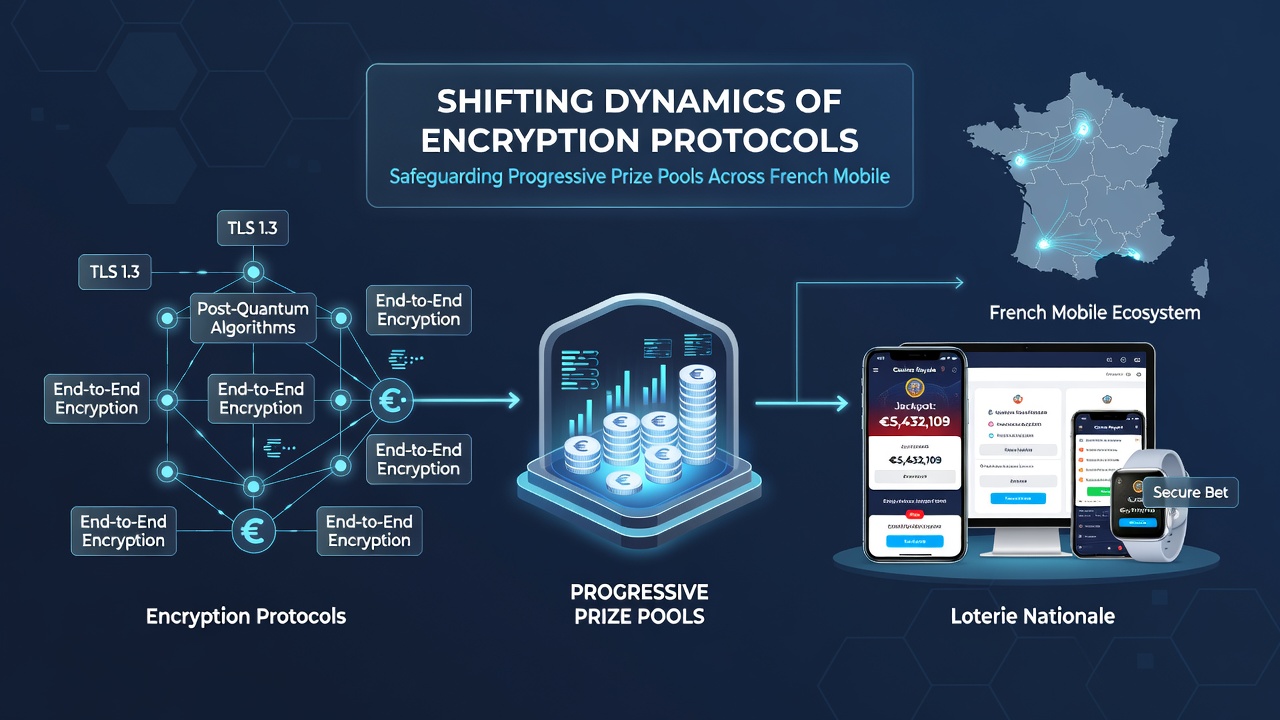
By October 2026, several French operators plan to complete migrations to post-quantum resistant algorithms in response to anticipated advances in computational threats, and figures from industry reports reveal that early adopters have already tested lattice-based encryption methods within controlled mobile environments to safeguard prize pool calculations. These implementations occur alongside existing frameworks from the Autorité Nationale des Jeux, which emphasize regular penetration testing and key rotation schedules that occur at intervals no longer than 90 days for high-value progressive systems.
What's interesting is how mobile-specific constraints, such as variable network latency and device resource limitations, have driven refinements in protocol selection, and data from European regulatory assessments shows that lightweight cipher suites now dominate in applications targeting French users. Operators integrate these with secure enclaves on modern smartphones to isolate jackpot-related computations, and this setup reduces exposure windows during the frequent updates required for progressive mechanics.
Integration with Mobile Platform Requirements
Portable gaming applications in France must route all prize pool transactions through encrypted channels that comply with both gambling-specific rules and general data protection statutes, and this dual compliance has prompted adoption of protocols like TLS 1.3 with forward secrecy enabled by default. Those who have examined server logs from regulated platforms report fewer instances of replay attacks since the widespread shift away from static certificates, and the process often involves automated certificate management tools that handle renewal without interrupting jackpot growth cycles.
Canadian regulatory models from bodies such as the Alcohol and Gaming Commission of Ontario have influenced some technical audits in Europe, and operators reference these cross-border examples when calibrating encryption parameters for multi-jurisdictional prize pools that occasionally link French mobile users with international partners under approved agreements. The ball remains in the court of software developers to ensure that updates do not introduce vulnerabilities during the transition periods scheduled around October 2026.
Verification Mechanisms and Oversight Processes
Verification of encrypted prize pool data occurs through independent third-party testing that examines both the cryptographic implementations and the underlying random number generators feeding into jackpot algorithms, and evidence from university-led analyses confirms that French mobile systems frequently incorporate hardware security modules for key storage. These modules operate in conjunction with application-level encryption to create layered defenses, and the result supports continuous monitoring without decrypting sensitive accumulation figures at intermediate points.
Yet the dynamics continue to shift as new mobile operating system releases introduce changes to cryptographic libraries, and industry organizations such as the European Gaming and Betting Association have published guidelines that encourage proactive compatibility testing. Observers note that these adjustments help maintain the reliability of progressive payouts, which depend on unbroken chains of encrypted records from the initial seed contribution through to final distribution.
Conclusion
The landscape of encryption protocols for French mobile casino prize pools reflects ongoing technical adaptations driven by regulatory updates and platform evolution, and sources including reports from the European Commission on digital infrastructure highlight the measurable progress in securing these systems through 2026. Continued monitoring of implementation data will determine how effectively these measures scale with increasing mobile adoption rates across the sector.