Decoding Synchronization Patterns Between Portable Interfaces and Oversight Requirements for Prize Pools in Regulated Digital Environments
Jonas Schmid · Sep 29, 2026
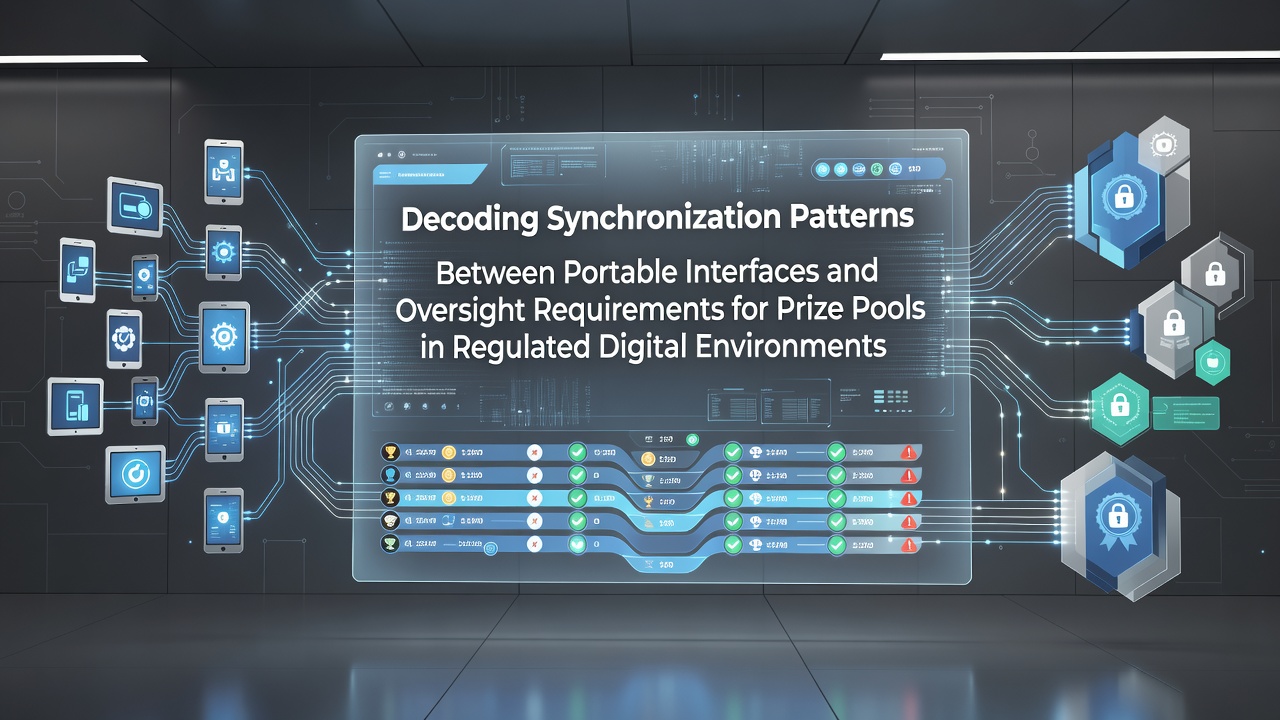
Decoding Synchronization Patterns Between Portable Interfaces and Oversight Requirements for Prize Pools in Regulated Digital Environments
Portable interfaces in regulated digital environments handle real-time data exchanges that connect player accounts directly to centralized prize pool systems, and synchronization patterns emerge from the need to maintain compliance across multiple jurisdictions at once. Regulatory frameworks require that prize pool balances update instantly when contributions occur through mobile applications, and these updates must align with oversight protocols that track fund segregation and distribution rules.
Core Mechanics of Portable Interface Integration
Portable interfaces transmit transaction data through secure APIs that feed into oversight databases, while prize pool calculations adjust based on predefined contribution percentages set by licensing authorities. Data shows that synchronization occurs at intervals ranging from milliseconds for high-volume games to several seconds for slower-paced formats, and this timing depends on the volume of concurrent users connected to the same pool. Researchers at academic institutions have documented how latency in these exchanges can trigger automatic compliance flags when thresholds exceed predefined limits established in operational licenses.
Regulatory Oversight Structures Across Regions
Oversight requirements vary by jurisdiction yet share common elements that demand continuous monitoring of prize pool integrity. In Canadian provinces such as Ontario, the Alcohol and Gaming Commission of Ontario mandates that operators demonstrate audit trails for every contribution and payout event, and these trails must reconcile with mobile session logs. European regulators, including those operating under the Maltese framework, require periodic third-party verification of pool balances, and synchronization protocols must support export formats compatible with external audit systems. Australian state authorities similarly enforce real-time reporting standards that portable interfaces must meet through standardized data schemas.
But here's the thing: synchronization failures often trace back to mismatches between device operating systems and backend compliance engines, and these issues surface during peak activity periods when multiple jurisdictions impose simultaneous reporting demands. One study revealed that operators addressing these patterns through middleware layers reduced reconciliation errors by measurable margins, while those relying on direct API calls encountered higher rates of flagged discrepancies.
Patterns in Data Flow and Compliance Alignment
Evidence suggests that prize pool synchronization follows predictable cycles tied to game rounds and settlement periods, and portable interfaces must buffer local calculations until confirmation arrives from the central oversight server. Figures from industry reports indicate that peak synchronization loads occur during evening hours in major markets, and systems configured with redundant verification nodes maintain consistency even when primary channels experience delays. Those who've examined transaction logs note that checksum validations embedded in each data packet prevent partial updates that could otherwise create temporary imbalances visible to players or auditors.

Take one operator who implemented adaptive polling rates based on network conditions, and the approach allowed portable interfaces to maintain alignment with oversight requirements without excessive battery drain on user devices. What's interesting is how these adjustments also supported compliance during September 2026 updates, when several regulators introduced enhanced encryption standards for all cross-border prize pool transmissions. Systems already using flexible synchronization patterns adapted more readily than those built on rigid schedules.
Technical Challenges and Observed Solutions
Portable interfaces encounter challenges when regulatory changes alter contribution formulas mid-cycle, and synchronization mechanisms must recalculate historical contributions without disrupting active player sessions. Observers note that version control systems for compliance rules allow operators to deploy updates across mobile clients and backend servers in coordinated waves, and this coordination reduces the window during which prize pool figures might diverge. Research indicates that operators using containerized deployment strategies achieved faster rollout of these updates while preserving full audit trails for every change.
External links appear naturally when discussing broader frameworks, such as those outlined by the Alcohol and Gaming Commission of Ontario for real-time reporting or reports from the European Gaming and Betting Association on technical standards for digital environments. These sources provide the baseline specifications that portable interface developers reference when building synchronization layers.
Future Developments and Current Trends
As of September 2026, several jurisdictions have begun piloting blockchain-assisted verification layers that create immutable records of every prize pool adjustment, and portable interfaces must integrate with these distributed ledgers while still meeting latency requirements. Data from early pilots shows reduced reconciliation times between mobile sessions and oversight databases, although adoption remains limited to operators with sufficient infrastructure investment. Those monitoring these developments report that hybrid models combining traditional APIs with selective ledger entries offer practical pathways forward for most regulated platforms.
Conclusion
Synchronization patterns between portable interfaces and oversight requirements continue to evolve as regulators refine data standards and operators refine their technical responses. Prize pool integrity depends on these patterns functioning without interruption, and documented approaches from multiple regions demonstrate that coordinated updates, adaptive timing, and layered verification together support ongoing compliance. The landscape remains dynamic, with new requirements emerging that will test existing synchronization frameworks in the months ahead.