Aligning Player Safeguards with Progressive Prize Systems in Portable Gaming Applications Governed by French Statutes
Petra Klein · Oct 13, 2026
Aligning Player Safeguards with Progressive Prize Systems in Portable Gaming Applications Governed by French Statutes
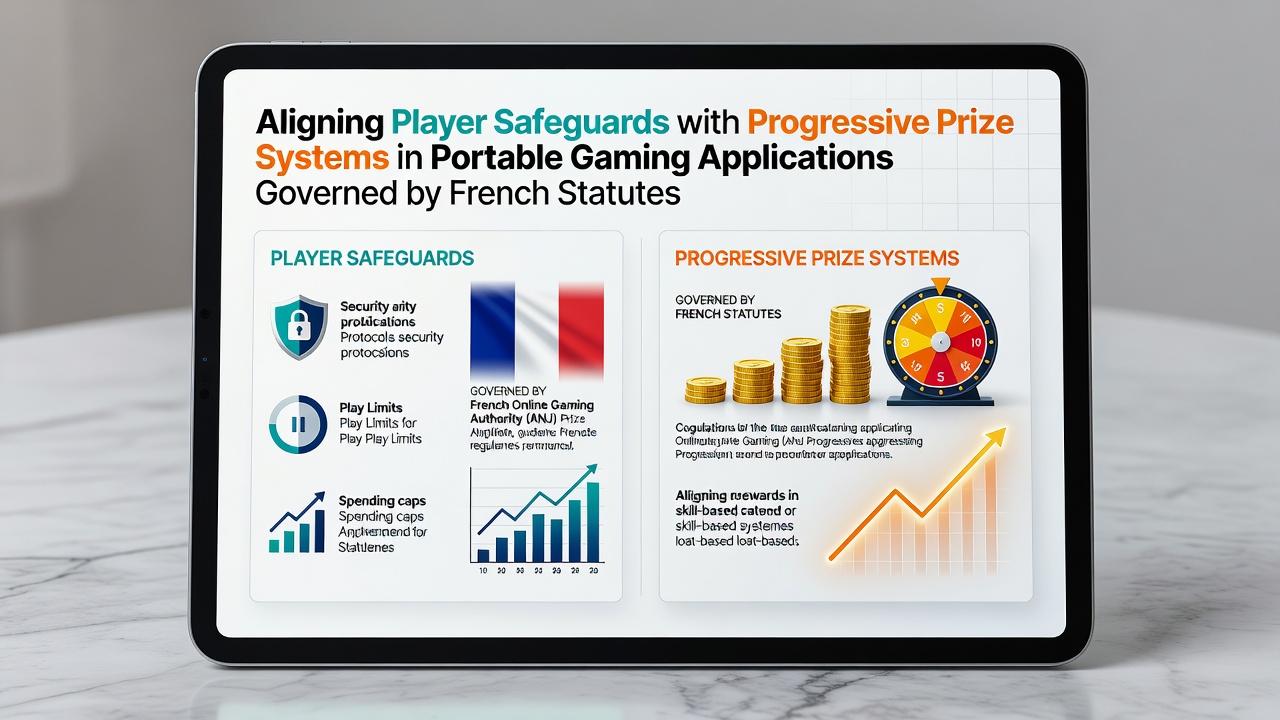
French statutes establish clear frameworks for portable gaming applications that incorporate progressive prize systems, and these rules require operators to integrate player safeguards directly into jackpot mechanisms so that growing prize pools do not compromise responsible gaming standards. Data from regulatory filings shows that mobile platforms must embed spending limits, age verification, and self-exclusion features at the same technical layer where progressive contributions accumulate across user sessions.
Regulatory Foundations in French Digital Gaming Law
France's national gaming authority oversees all licensed mobile applications that offer progressive prizes, and operators must demonstrate compliance through documented system audits that verify both prize growth algorithms and concurrent safeguard triggers. Research indicates that statutes enacted in recent years mandate real-time monitoring of player behavior while jackpots increase, which means any attempt to accelerate prize accumulation cannot bypass mandatory cool-down periods or deposit caps enforced by the same software.
How Progressive Prize Systems Operate Under Oversight
Progressive prize systems in portable applications collect small percentages from each wager across a network of users, and French regulations require these contributions to pause automatically when a player reaches predefined risk thresholds. Observers note that synchronization between the prize meter and safeguard protocols prevents situations where continued play feeds a larger jackpot while ignoring session time limits or loss alerts, and this linkage appears in technical specifications submitted during licensing reviews.
Technical Integration Requirements
Application developers configure progressive engines to query safeguard databases before each contribution, and this process ensures that excluded accounts or those under temporary restrictions cannot add to the pool. Figures from compliance reports reveal that successful implementations record every prize increment alongside corresponding safeguard checks, creating audit trails that authorities examine during routine inspections.
Safeguard Mechanisms Embedded in Mobile Environments
Player safeguards include mandatory identity verification at account creation plus ongoing behavioral analytics that flag unusual betting patterns even as progressive jackpots climb. Those who've studied French digital gaming rules know that operators must display real-time balance warnings and prize eligibility notices within the same interface, which connects jackpot visibility directly to responsible gaming prompts rather than separating the two elements.

October 2026 marks a scheduled review period for several mobile gaming licenses, and authorities expect updated integration standards that further align progressive contributions with emerging safeguard technologies such as enhanced biometric checks. Studies from European research institutions highlight similar patterns in other jurisdictions where prize growth and player protection share unified code bases.
Compliance Challenges and Documented Solutions
One documented challenge involves latency between mobile network conditions and real-time safeguard enforcement while progressive meters update, yet operators have addressed this through server-side validation that overrides local app states when thresholds activate. Evidence suggests that multi-layered verification, combining device data with central databases, maintains consistency across varying connection qualities without interrupting prize calculations.
Industry Examples of Alignment
Take one operator that adjusted its portable application to tie progressive jackpot eligibility to completed safeguard training modules, and this approach produced measurable reductions in high-risk sessions according to internal metrics shared with regulators. Another case revealed that linking daily deposit limits to the rate of prize pool growth helped stabilize player expenditure patterns across multiple devices.
Data Reporting and Oversight Practices
Regulated entities submit quarterly reports that detail both progressive prize distributions and safeguard intervention counts, and these documents allow authorities to cross-reference jackpot activity against player protection events. Autorité Nationale des Jeux publishes aggregated statistics that show consistent application of these dual requirements across licensed mobile platforms. Additional analysis from international research bodies, including reports issued by the OECD, provides comparative context on how French methods compare with other national approaches to mobile gaming oversight.
Conclusion
French statutes continue to shape how progressive prize systems and player safeguards function together in portable gaming applications, and ongoing technical refinements ensure that jackpot growth remains subordinate to protection protocols. Compliance documentation from the sector demonstrates that integrated systems produce transparent records suitable for regulatory review, while scheduled updates around October 2026 will likely introduce further refinements to these alignments. The result is a structured environment where mobile operators maintain prize mechanics without diminishing the effectiveness of required safeguards.